Chemical Peel vs. Laser vs. Microneedling: The Ultimate Skin Resurfacing Comparison
Chemical peels, laser resurfacing, and microneedling are the three most popular skin resurfacing treatments at medical spas. All three improve skin texture and tone by triggering skin renewal, but they use completely different mechanisms and are suited to different concerns, skin types, and downtime tolerances. This comparison helps you choose the right one.
Quick Guide: Chemical peels are best for surface concerns and pigmentation. Lasers are best for deep wrinkles and dramatic transformation. Microneedling is best for texture, safety in all skin types, and minimal downtime.
Comprehensive Comparison
| Feature | Chemical Peel | Laser Resurfacing | Microneedling |
|---|---|---|---|
| Mechanism | Acid exfoliation | Light energy (heat/vaporization) | Physical micro-injuries |
| Depth Control | Solution concentration | Wavelength and settings | Needle depth |
| Downtime | 1–7 days | 3–10 days | 1–3 days |
| Pain Level | Mild to moderate | Moderate (numbing used) | Mild (numbing used) |
| Cost per Session | $150–$700 | $500–$4,000 | $200–$700 |
| Sessions Needed | 4–6 (light) or 1–2 (deep) | 1–3 | 3–6 |
| Best For | Pigmentation, tone, mild texture | Deep wrinkles, severe damage | Texture, pores, all skin types |
| Dark Skin Safety | Moderate (depends on peel) | Limited (CO2 risky) | Excellent |
Chemical Peels: The Surface Specialist
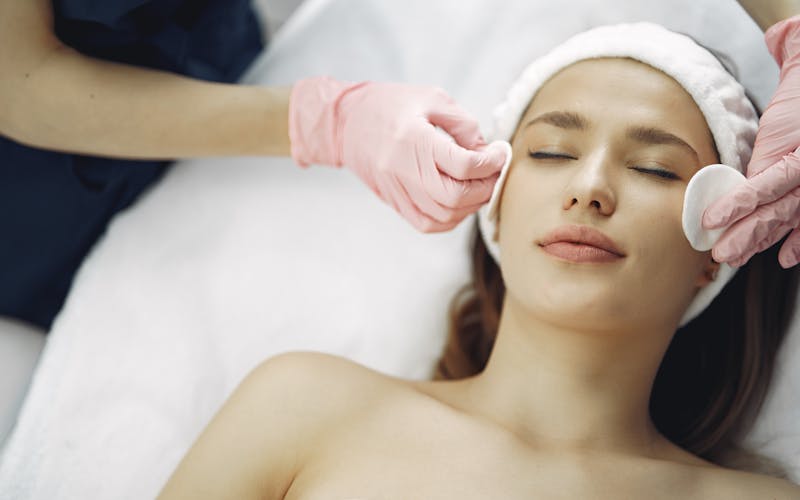
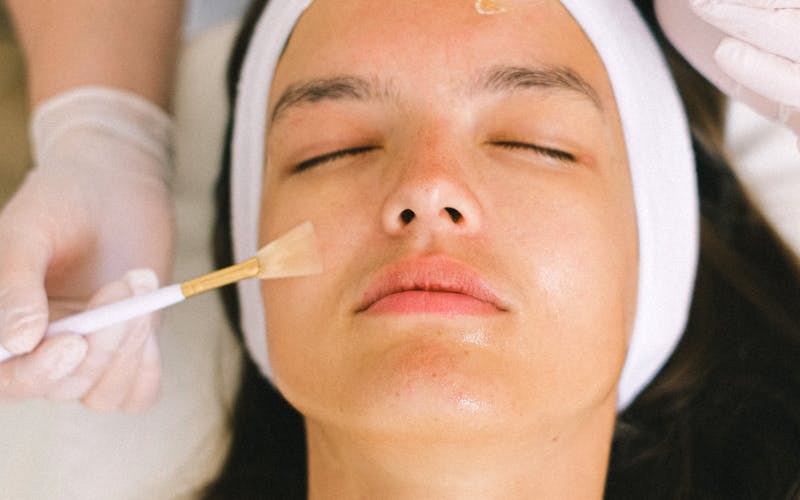
Chemical peels apply acid solutions (glycolic, salicylic, TCA, phenol) to exfoliate the outer skin layers. Light peels target the epidermis; medium peels reach the upper dermis; deep peels penetrate deeper for dramatic results. Peels excel at treating surface pigmentation, uneven tone, and mild texture issues.
Advantages: Cost-effective, excellent for pigmentation, can treat entire face uniformly, long track record of safety. Disadvantages: Less effective for deep wrinkles or scars, downtime increases with depth, risk of PIH in darker skin with stronger peels.
Laser Resurfacing: The Power Player
Laser resurfacing uses concentrated light energy to either vaporize tissue (ablative CO2) or heat tissue (non-ablative Fraxel) for collagen remodeling. It delivers the most dramatic results of the three options, particularly for deep wrinkles, severe sun damage, and significant acne scarring.
Advantages: Most dramatic results, treats deep concerns, long-lasting improvement. Disadvantages: Highest cost, longest downtime, risk of hyperpigmentation in darker skin, requires experienced provider.
Microneedling: The Safe All-Rounder
Microneedling creates controlled micro-injuries with fine needles, triggering collagen production without heat or chemicals. It's the safest option for all skin types and has minimal downtime. RF microneedling (Morpheus8) adds radiofrequency energy for deeper remodeling.
Advantages: Safe for all skin types, minimal downtime, can be combined with PRP/growth factors, excellent for maintenance. Disadvantages: Less dramatic results per session, requires multiple sessions, less effective for deep concerns.
Best Treatment by Concern
| Skin Concern | Best Choice | Runner-Up | Why |
|---|---|---|---|
| Sun spots/pigmentation | Chemical Peel | Laser (Fraxel 1927) | Peels uniformly treat pigmentation across face |
| Deep wrinkles | Laser (CO2) | Deep Chemical Peel | Laser vaporizes damaged tissue for dramatic smoothing |
| Acne scars (deep) | Laser (CO2) | Microneedling (RF) | Laser remodels scar tissue most effectively |
| Acne scars (mild) | Microneedling | Chemical Peel | Microneedling is safer and effective for mild scarring |
| Enlarged pores | Microneedling | Laser (Fraxel) | Microneedling specifically improves pore appearance |
| Uneven texture | Microneedling | Chemical Peel | Both effective; microneedling has less downtime |
| Melasma | Chemical Peel (light) | Microneedling | Light peels are safer than heat-based treatments for melasma |
| Dark skin types | Microneedling | Light Chemical Peel | Microneedling has no heat damage risk |
Cost and Value Analysis
Chemical peels offer the best value for surface concerns — a series of 4–6 light peels ($600–$2,000 total) can dramatically improve tone and texture. Laser resurfacing costs more ($1,500–$8,000 for a series) but delivers more dramatic results in fewer sessions. Microneedling ($600–$2,100 for a series) offers the best safety-to-results ratio, especially for darker skin types.
Which Should You Choose?
Choose Chemical Peels if:
- Your primary concern is pigmentation or uneven tone
- You want cost-effective treatment
- You're treating surface-level concerns
- You can accommodate 1–7 days of peeling
Choose Laser Resurfacing if:
- You have deep wrinkles or severe sun damage
- You want the most dramatic results possible
- You have lighter skin (Fitzpatrick I–III)
- You can accommodate 5–10 days of downtime
Choose Microneedling if:
- You have darker skin (Fitzpatrick IV–VI)
- You want minimal downtime
- Your concerns are mild to moderate
- You want a treatment safe for regular maintenance
The Ultimate Strategy: Combine Treatments
The best skin rejuvenation often comes from combining all three modalities in a customized treatment plan. A common protocol: laser resurfacing for aggressive correction (once), followed by alternating chemical peels and microneedling sessions for ongoing maintenance. Your provider can design a plan that leverages each treatment's strengths while respecting your skin type, downtime tolerance, and budget.
Medical Disclaimer
The information provided on MedSpa Listings is for general informational purposes only and does not constitute medical advice. Always consult with a board-certified physician or qualified healthcare provider before undergoing any medical spa treatment. Individual results may vary. MedSpa Listings does not endorse any specific provider, treatment, or product.

Medspa Listings Team
Fact-CheckedHealth & Wellness Editorial Team
Fact-Checked Content
The Medspa Listings editorial team researches and fact-checks every article using peer-reviewed studies, FDA resources, and guidance from professional associations like the American Society of Plastic Surgeons (ASPS) and the American Academy of Dermatology (AAD). Our content is for informational purposes and does not replace professional medical advice.
Editorial & Medical Content Note
Articles on MedSpa Listings are intended for educational purposes and summarize treatment concepts, pricing ranges, and provider-selection considerations. Content is reviewed by the editorial team and updated over time as new information becomes available.
This information is not a substitute for individualized medical advice. Patients should consult qualified licensed providers before beginning any aesthetic or medical treatment plan.