5 Best Medspa Treatments for Hyperpigmentation and Dark Spots
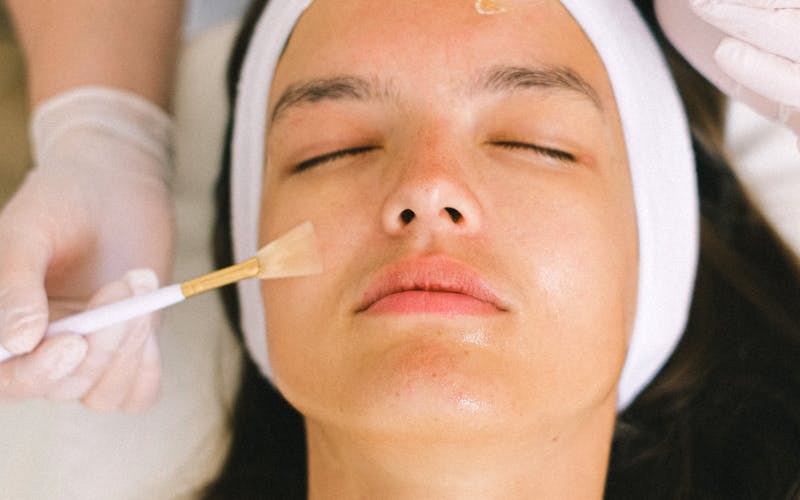
Hyperpigmentation is one of the most common concerns driving patients to medical spas. Whether it's sun damage accumulated over years, stubborn melasma, or the dark marks left after acne, the most effective treatments require professional-grade technology and products.
Important: Consistent SPF 30+ sun protection is non-negotiable when treating hyperpigmentation. UV exposure will reverse your treatment progress quickly.
1. IPL Photofacial (Best for Sun Spots and Vascular Lesions)
Intense Pulsed Light (IPL) targets melanin and hemoglobin in the skin, shattering pigment clusters and vascular lesions. Treated spots temporarily darken ('coffee ground' appearance) before flaking off 7–14 days post-treatment. Best for: freckles, sunspots, diffuse redness, rosacea. 3–5 sessions spaced 3–4 weeks apart recommended. Cost: $300–$600 per session.
2. Fraxel Laser (Best for Diffuse Hyperpigmentation and Texture)
The Fraxel 1927nm wavelength specifically targets superficial pigmentation with minimal downtime compared to ablative lasers. It's one of the most effective treatments for overall sun damage, uneven skin tone, and fine-texture irregularities. 1–3 sessions recommended. Cost: $900–$1,800 per session.
3. Medical-Grade Chemical Peels (Best for Melasma and PIH)
TCA peels (15–35%), modified Jessner's peels, and kojic acid-based peels can effectively address melasma and post-inflammatory hyperpigmentation (PIH). Key advantage: they can be layered on the entire face at one time. 4–6 sessions typically needed. Cost: $150–$500 per session.
4. Topical Prescription Retinoids + Hydroquinone (Combined with Treatments)
While not a standalone treatment, provider-prescribed tri-luma (hydroquinone, tretinoin, fluocinolone) significantly amplifies and maintains results from in-office treatments. Many medspas have physicians who can prescribe these as part of a comprehensive pigmentation protocol.
5. PicoSure / PicoWay Picosecond Laser (Best for Stubborn Pigmentation)
Picosecond lasers deliver ultra-short pulse durations that shatter pigment into tiny dust-like particles, enabling more effective clearance with less heat damage to surrounding tissue. Particularly effective for: resistant melasma, brown spots in darker skin types, and post-IPL residual pigmentation. Cost: $400–$900 per session.
What About Melasma Specifically?
Melasma is the most challenging form of hyperpigmentation to treat because it's hormonally driven. The Pigment Network protocol — combining topical agents, chemical peels, and laser with strict sun avoidance — is currently the most evidence-based approach. No single treatment permanently cures melasma; ongoing maintenance is required.
Medical Disclaimer
The information provided on MedSpa Listings is for general informational purposes only and does not constitute medical advice. Always consult with a board-certified physician or qualified healthcare provider before undergoing any medical spa treatment. Individual results may vary. MedSpa Listings does not endorse any specific provider, treatment, or product.

Medspa Listings Team
Fact-CheckedHealth & Wellness Editorial Team
Fact-Checked Content
The Medspa Listings editorial team researches and fact-checks every article using peer-reviewed studies, FDA resources, and guidance from professional associations like the American Society of Plastic Surgeons (ASPS) and the American Academy of Dermatology (AAD). Our content is for informational purposes and does not replace professional medical advice.
Editorial & Medical Content Note
Articles on MedSpa Listings are intended for educational purposes and summarize treatment concepts, pricing ranges, and provider-selection considerations. Content is reviewed by the editorial team and updated over time as new information becomes available.
This information is not a substitute for individualized medical advice. Patients should consult qualified licensed providers before beginning any aesthetic or medical treatment plan.